
Research reviewed: 13 October 2026 · RoamDecide Editorial Team
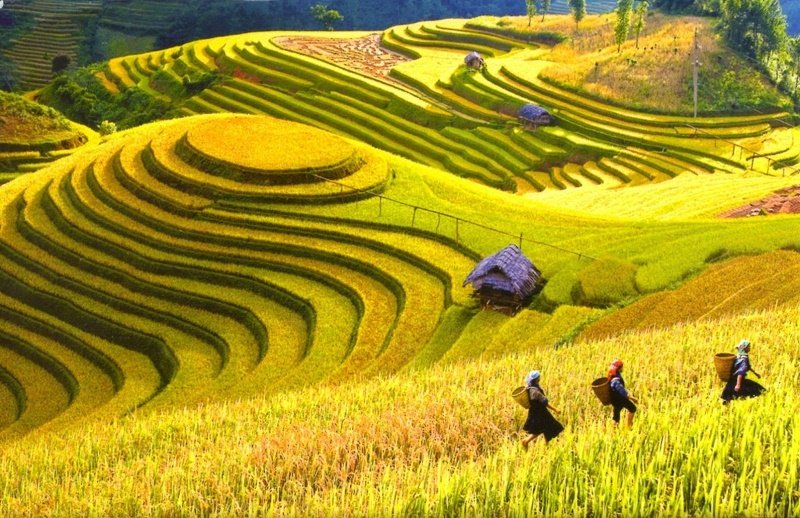
Late September to early October is our first choice for travelers seeking Sapa’s famous golden rice terraces. The harvest overlaps with the transition toward autumn, but September still receives substantial rainfall. For visitors who prioritize cooler-weather trekking rather than golden fields, October and November deserve consideration. April is a spring alternative, not a reliably dry month.
Vietnam Tourism recommends September–November overall and describes March–May as a milder spring period. Our choices follow that guidance while separating crop timing, rainfall, mist and Fansipan summit visibility.
Place-name note: Since the July 2025 administrative reorganization, former central wards were merged into Sa Pa ward in expanded Lao Cai Province. The former Muong Hoa commune became part of Ta Van commune. We use familiar travel names such as Sapa town, Muong Hoa Valley, Lao Chai and Ta Van to help visitors navigate.
Sapa weather by month: official rainfall and fog data
The following are long-term monthly averages for the Sa Pa meteorological station in Vietnam’s national climate standard, QCVN 02:2022/BXD, Appendix A (Tables A.25 and A.32). They are not weather forecasts for 2027. Fog at Sa Pa station is not the same thing as summit cloud cover at Fansipan.
| Month | Rainfall (mm) | Fog days | Planning advice |
|---|---|---|---|
| January | 70.2 | 17.4 | Cold and misty; prepare for poor visibility |
| February | 73.5 | 16.9 | Tet affects schedules; winter scenery |
| March | 104.5 | 15.3 | Spring scenery; fog remains common |
| April | 213.3 | 10.8 | Spring walking, but not a dry month |
| May | 340.6 | 5.6 | Rice planting; increasingly wet routes |
| June | 381.4 | 3.0 | Green fields; higher rainfall exposure |
| July | 461.0 | 1.4 | Wettest month in this station dataset |
| August | 451.9 | 1.9 | High rainfall and lush terraces |
| September | 303.1 | 2.8 | Golden-rice potential; verify harvest dates |
| October | 201.3 | 7.8 | Early harvest possibility, autumn trekking |
| November | 106.3 | 11.3 | Cooler trekking conditions; colder evenings |
| December | 65.7 | 13.3 | Cold and often foggy despite lower rainfall |
Data-quality note: The 12 displayed monthly rainfall values add to 2,772.8 mm, while the official A.25 table lists 2,779.6 mm as its annual figure. We reproduce the published monthly values without forcing the totals to agree. Rain-day observations appear in Table A.28, but that station row has not yet been independently rechecked for this guide, so we deliberately omit rain-day numbers rather than claim verification.
Which month is best for your trip?
| Your priority | Starting window | What you must check |
|---|---|---|
| Golden terraces | Late September–early October | Recent, dated harvest photos from the specific valley |
| Cooler-season trekking | October–November | Recent rain, route access and guide advice |
| Spring village visits | April | Wet trails and short-term forecast |
| Water-filled rice paddies | May–June | Planting and irrigation schedule |
| Fansipan panorama | A favorable short-term summit forecast | Visibility, wind and cable-car notices |
| Winter atmosphere | December–February | Heating, fog and cold-weather alerts |
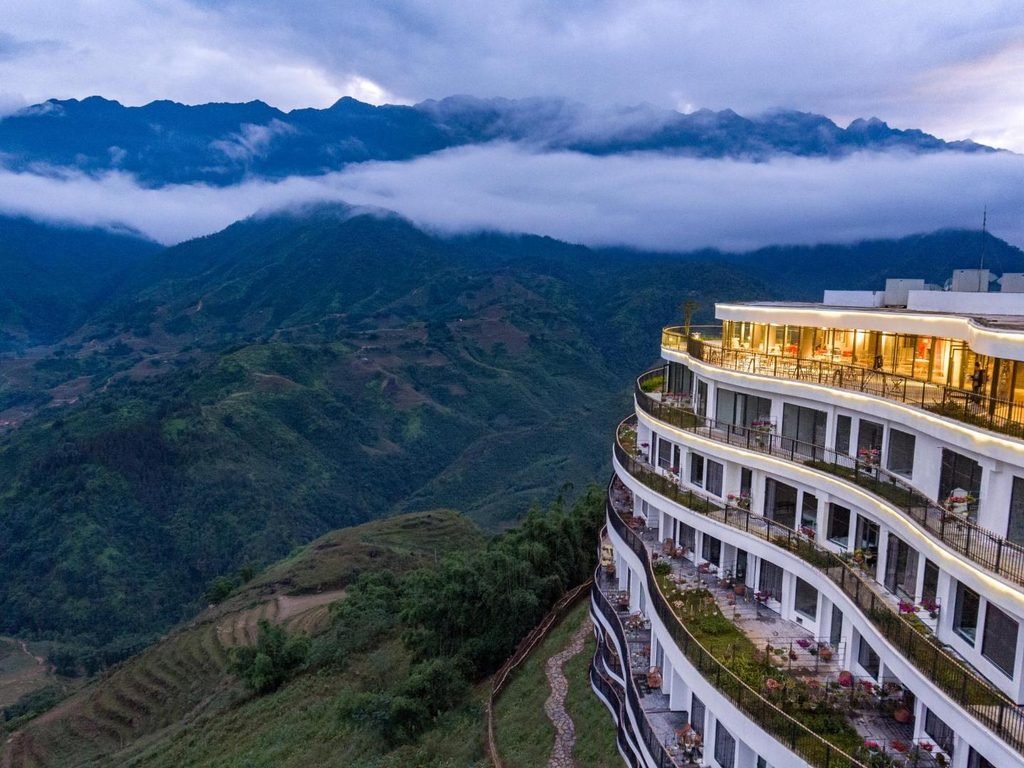
Why autumn wins, with one important catch
Vietnam Tourism describes September–November as a particularly good time for Sapa. Compared with humid, storm-prone summer conditions, autumn can be more pleasant for mountain travel. However, rainfall in September still averages 303.1 mm at Sa Pa station, compared with 201.3 mm in October and 106.3 mm in November. The harvest, rather than guaranteed clear skies, is the strongest reason to choose September.
Two articles from the commercial destination website Visit Sa Pa give slightly different harvest windows: one dated 7 August 2026 emphasizes September to early October; another dated 22 August 2026 describes late August through September. Visit Sa Pa also promotes Sun World Fansipan Legend ticket sales; it is not a government harvest bulletin. Actual maturity depends on location, elevation and farming schedules.
Before buying non-refundable tickets for a rice-photography trip, ask a local accommodation provider or guide for recent photographs from Muong Hoa, Lao Chai or Ta Van. Early October may retain golden fields, but late October is less dependable. Harvest weekends can also be busy; compare room availability early.
October and November: an alternative for trekking
For travelers not chasing golden fields, autumn can bring cooler walks and dramatic scenery. Average rainfall falls from September into November, but average fog days at Sa Pa station rise from 2.8 in September to 7.8 in October and 11.3 in November. Less rain should not be mistaken for guaranteed clear views.
Choose a route according to recent weather, fitness and access. A dry forecast doesn’t automatically mean steep paths have recovered from earlier rain. Village visits such as Cat Cat and Ta Phin may be arranged independently, while longer or unfamiliar treks often benefit from an experienced local guide.
April and May: spring without the dry-weather promise
April suits visitors who want flowers, village walks and a different agricultural landscape, but its station rainfall average is 213.3 mm, slightly more than October. May becomes wetter at 340.6 mm, even as water-filled planting terraces may offer striking reflections. Verify planting conditions locally rather than expecting identical fields in every valley.
June to August: lush valleys and heavy-rain risks
July has the highest rainfall in this dataset at 461.0 mm, with August close behind at 451.9 mm. Muddy paths, slippery slopes, flash floods and landslides can affect access. A short village excursion is a different risk from an exposed mountain trek. Follow official warnings and avoid risky trails during heavy rainfall.
Curiously, July has the fewest recorded fog days at Sa Pa station, averaging 1.4. That does not prove July has the clearest mountain views: low cloud, rain and summit conditions are different measurements. Avoid choosing Fansipan dates from this single statistic.
Fansipan: choose the day, not just the season
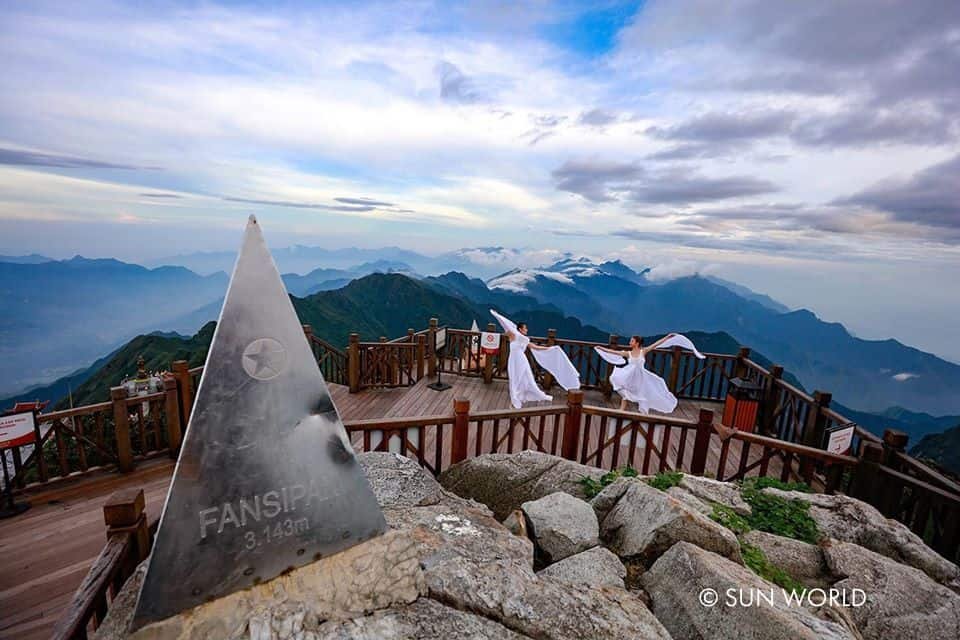
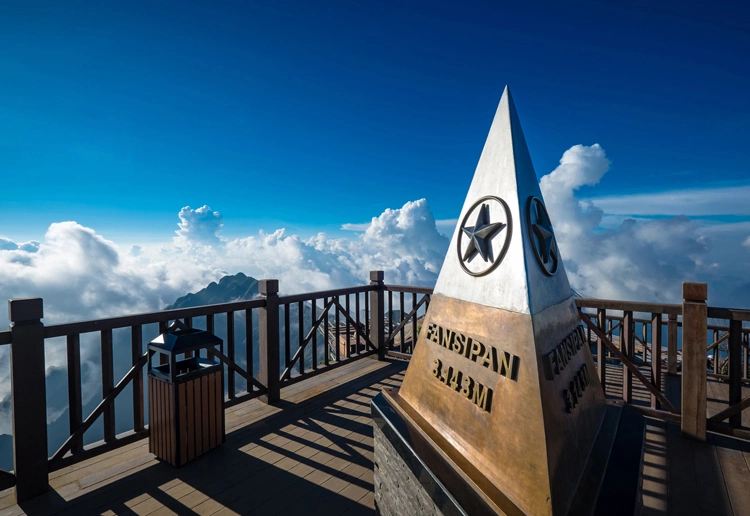
Fansipan reaches 3,143 m. Vietnam Tourism describes a cable-car route of roughly 6 km, taking around 15 minutes. Weather, wind and visibility at the summit can differ sharply from the town below. Keep the mountain day flexible where possible, and check official operator notices as well as the short-term summit forecast.
December to February: cold, mist and Tet
Winter has lower monthly rainfall averages but frequent fog in the Sa Pa station data, with 17.4 fog days in January and 16.9 in February. Bring warm clothing, ask about room heating and don’t book expecting guaranteed snow. Frost or snow can happen in exceptional cold spells, but is not a predictable attraction.
For 2027, Vietnam’s announced public-sector Tet holiday runs from 4 to 10 February. Private operators may use different schedules. Confirm transport, accommodation and opening hours before traveling.
If your travel dates are fixed
| Your dates | Better decision |
|---|---|
| January–February | Confirm heating; allow for fog and Tet disruptions |
| March–April | Focus on spring walks; leave weather flexibility |
| May–June | Check planting stages and choose manageable trails |
| July–August | Avoid exposed treks under heavy-rain or landslide warnings |
| September | Verify current harvest status valley by valley |
| October–November | Prioritize scenery and trekking; don’t promise golden fields |
| December | Plan for cold and mist, with indoor alternatives |
Where to stay and how to arrange your trip
Sapa town offers convenient dining and transport; a valley homestay may bring you closer to terraces but can have more difficult access during bad weather. Ask about road conditions, luggage transfers, heating and cancellation terms. For broader transport planning, read How to Get Around Vietnam.
A flexible three-day Sapa itinerary
Day 1: Arrive via Hanoi or Lao Cai, check the forecast and settle in. Day 2: Visit Muong Hoa, Lao Chai or Ta Van on a route that fits recent conditions. Day 3: Visit Fansipan if summit conditions and operations allow, or choose an easier cultural outing.
Respect local communities and working farmland
The terraces are farms, not photo sets. Don’t enter planted fields without permission. Ask before photographing people, especially children. Favor clearly priced, respectful experiences involving local hosts.
Frequently asked questions
What is the best month to visit Sapa?
Late September to early October is our first choice for the classic rice-terrace experience. October–November suits autumn trekking, while April offers spring scenery.
When are the rice terraces golden?
Often in September and sometimes early October. The exact timing varies by valley and year; verify current crop photographs.
Is October better than April?
October has slightly lower average rainfall at Sa Pa station, while April offers spring landscapes. Neither month guarantees good summit visibility.
Which month has the fewest fog days?
July, at 1.4 days on average in the published Sa Pa station table. July is also the wettest month here, so fewer fog days do not equal better mountain views.
Can you trek without a guide?
Some accessible village visits are possible independently. Use local guidance for unfamiliar or demanding routes and always follow severe-weather warnings.
Is Fansipan always cloudy?
No. Visibility changes quickly; town-level fog data cannot substitute for a summit forecast.
Does Sapa have snow in January?
Occasionally during exceptional cold events, but snowfall is not reliable enough to plan a trip around.
Our verdict
Choose late September to early October for the best chance to see Sapa’s golden rice terraces. Consider October–November for cooler hiking, and April for spring sightseeing without a harvest focus. Check actual field conditions, trail access and Fansipan weather before making fixed bookings.
For national seasonal context, see Best Time to Visit Vietnam (2027).
Evidence and editorial notes
Sources reviewed 13 October 2026: QCVN 02:2022/BXD, Appendix A, Table A.25 (monthly rainfall) and A.32 (fog days), Sa Pa station; Vietnam Tourism: Sa Pa; Vietnam Tourism: Weather and Climate; Visit Sa Pa: Terraced Fields (7 August 2026); Visit Sa Pa: Golden Season (22 August 2026); Resolution 1673; Tet 2027 announcement.
Evidence boundary: These are long-term Sa Pa station climatological averages, not 2027 forecasts or Fansipan summit observations. The exact observation period is not asserted where it has not been confirmed. Data from Table A.28 are intentionally omitted pending a direct check of the Sa Pa row. Visit Sa Pa is a commercial tourism publisher, not an official crop-reporting authority. This article is research-based and does not claim personal field experience or contain affiliate booking links.